
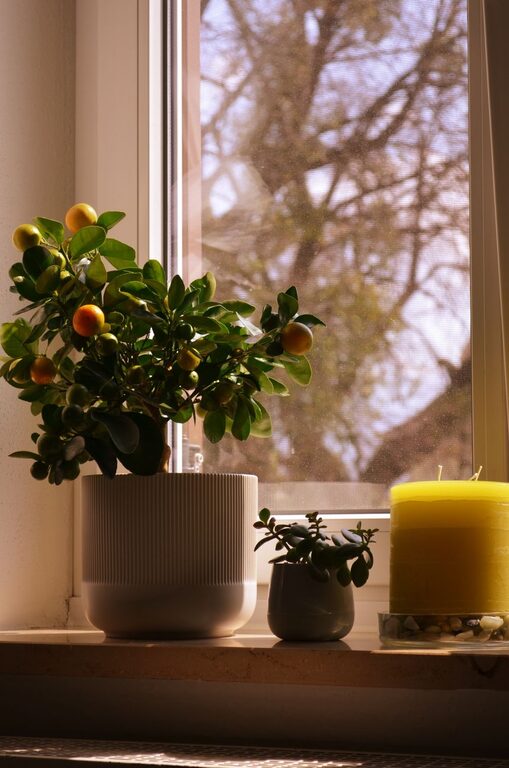
Bringing plants into your home is one of the easiest and most effective ways to create a fresh, inviting atmosphere. Not only do they add natural beauty and color, but plants also help improve air quality and boost mood. Whether you’re a seasoned plant parent or just starting out, refreshing your home with greenery can transform your living space in many delightful ways. In this post, we’ll explore practical tips and ideas for using plants to brighten your home and create a calming environment.
Why Add Plants to Your Home?
Plants offer a range of benefits beyond just looking pretty:
– Improve air quality: Many plants help filter common indoor pollutants and increase oxygen levels.
– Boost mood and reduce stress: Interacting with plants can have calming effects and promote well-being.
– Enhance aesthetics: Plants bring texture, color, and life to any room.
– Add natural scent: Some plants, like herbs and flowers, add subtle fragrances.
– Create a connection with nature: Indoor gardening brings a bit of the outdoors inside.
Choosing the Right Plants for Your Home
Before buying plants, consider these factors to ensure they thrive and complement your space:
Light Conditions
Assess how much natural light each room gets:
– Bright indirect light: Ideal for most popular houseplants like pothos, spider plants, and peace lilies.
– Low light: Opt for hardy plants like snake plants, ZZ plants, or cast iron plants.
– Direct sunlight: Choose sun-loving plants such as succulents, cacti, or rosemary.
Maintenance Level
Be honest about how much time you can dedicate to plant care:
– Low maintenance: Succulents, snake plants, and pothos require minimal watering.
– Moderate care: Ferns, peace lilies, and fiddle leaf figs need more regular attention.
– High maintenance: Some tropical plants and flowering varieties require regular pruning and specific humidity.
Size and Space
Think about the available space:
– Small plants: Perfect for shelves, desks, or windowsills.
– Medium plants: Use as tabletop centerpieces or to fill corners.
– Large plants: Make a statement with floor plants like monstera or fiddle leaf fig.
Creative Ways to Use Plants at Home
Create a Green Corner
Designate a small area in your living room or bedroom as a dedicated plant corner. Use a mix of tall plants, trailing vines, and small pots to create visual interest.
Use Hanging Planters
Save floor space by hanging plants near windows or from the ceiling. Hanging planters work well for trailing plants like string of pearls or ivy.
Decorate with Plant Shelves
Install floating shelves or use a plant stand to display multiple small to medium plants. This adds height and layers, making your greenery a focal point.
Add Plants to Unexpected Places
Consider placing plants in areas like bathrooms, kitchens, or even entryways. For instance, herbs near the kitchen window add both beauty and function.
Combine Plants with Decorative Pots
Choose pots that complement your home’s style. Neutral ceramics, colorful pottery, or woven baskets can all add to the overall decor.
Basic Plant Care Tips to Keep Your Plants Healthy
Keeping plants healthy is key to enjoying them for the long term. Here are some simple care tips:
– Water properly: Most plants prefer their soil to dry out slightly between watering. Avoid overwatering, which can cause root rot.
– Use the right soil: Different plants need different soil types; cacti need well-draining soil, while ferns prefer more moisture-retentive mixes.
– Provide adequate light: Rotate plants occasionally to ensure even light exposure.
– Fertilize occasionally: Use a balanced, water-soluble fertilizer during the growing season.
– Prune dead leaves: Regularly remove yellow or wilted leaves to encourage growth.
– Control pests: Inspect plants regularly for pests like spider mites or aphids, and treat promptly if found.
Tips for Beginners Starting with Houseplants
If you’re new to indoor gardening, start with easy-to-care-for plants:
– Snake Plant (Sansevieria): Tolerates low light and infrequent watering.
– Pothos: Grows quickly and adapts to various light conditions.
– Spider Plant: Resilient and can be propagated easily.
– Peace Lily: Adds lush greenery and occasional white blooms.
Remember to observe your plants and adjust care as needed. Each home environment is different, so patience is important as you learn what works best.
Conclusion
Refreshing your home with plants is a rewarding way to enhance your living space’s ambiance, health, and style. By selecting the right plants for your environment, incorporating creative display ideas, and applying simple care routines, you can enjoy a vibrant, green home all year round. Start small, be consistent, and watch your indoor garden grow!
Happy planting!